World Medical Innovation Forum Takeaways
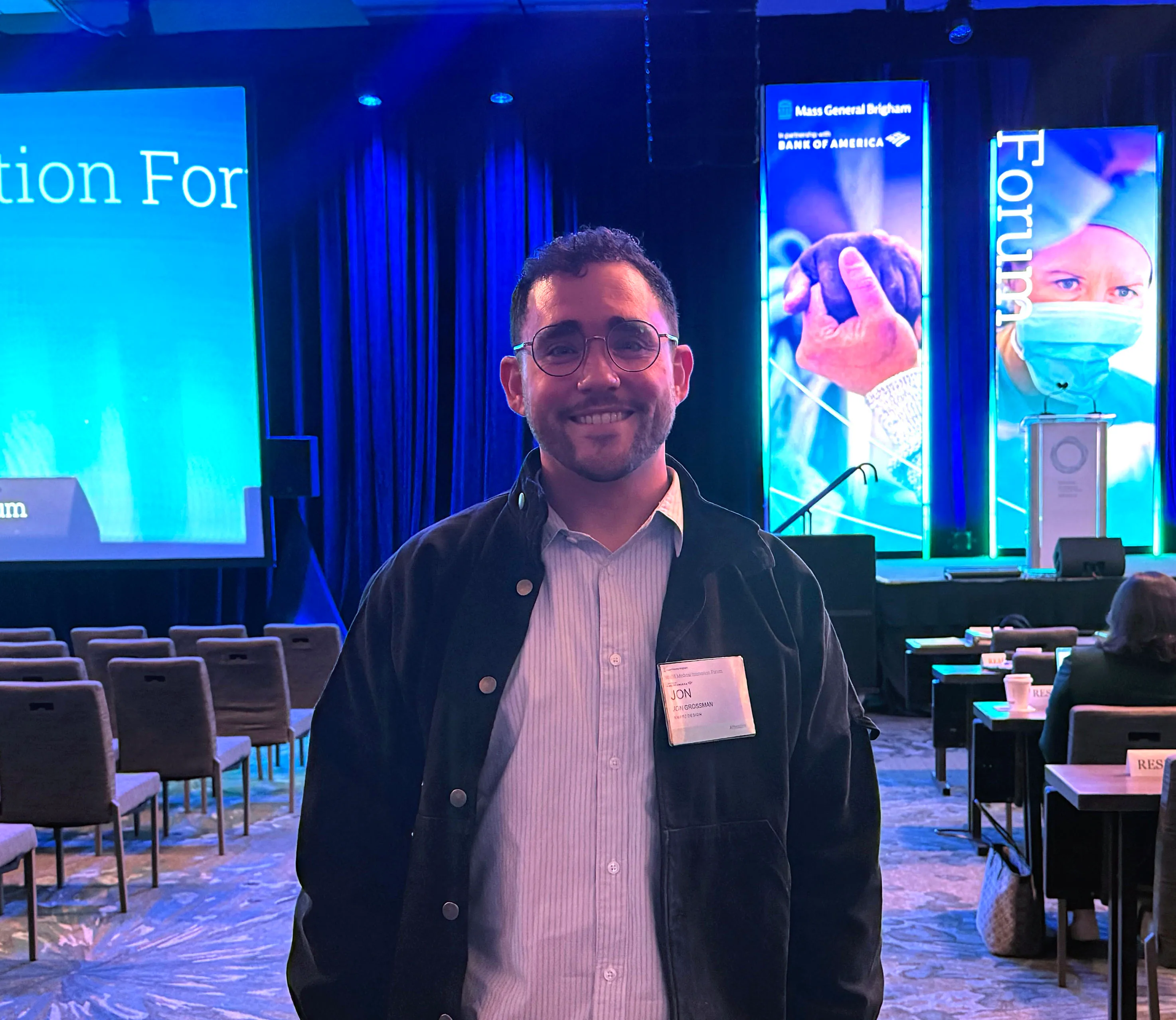
I attended the 2026 Mass General Brigham World Medical Innovation Forum - an absolutely wild peek into how executives and leaders across the healthcare industry are thinking about the future. If last year was the year of GLP-1s, this is the year of AI. As a design leader, it’s been tough navigating this era due to its deep uncertainty- but my takeaway from the forum is that this ambiguity is paired with enormous design opportunity.
Three takeaways from the forum:
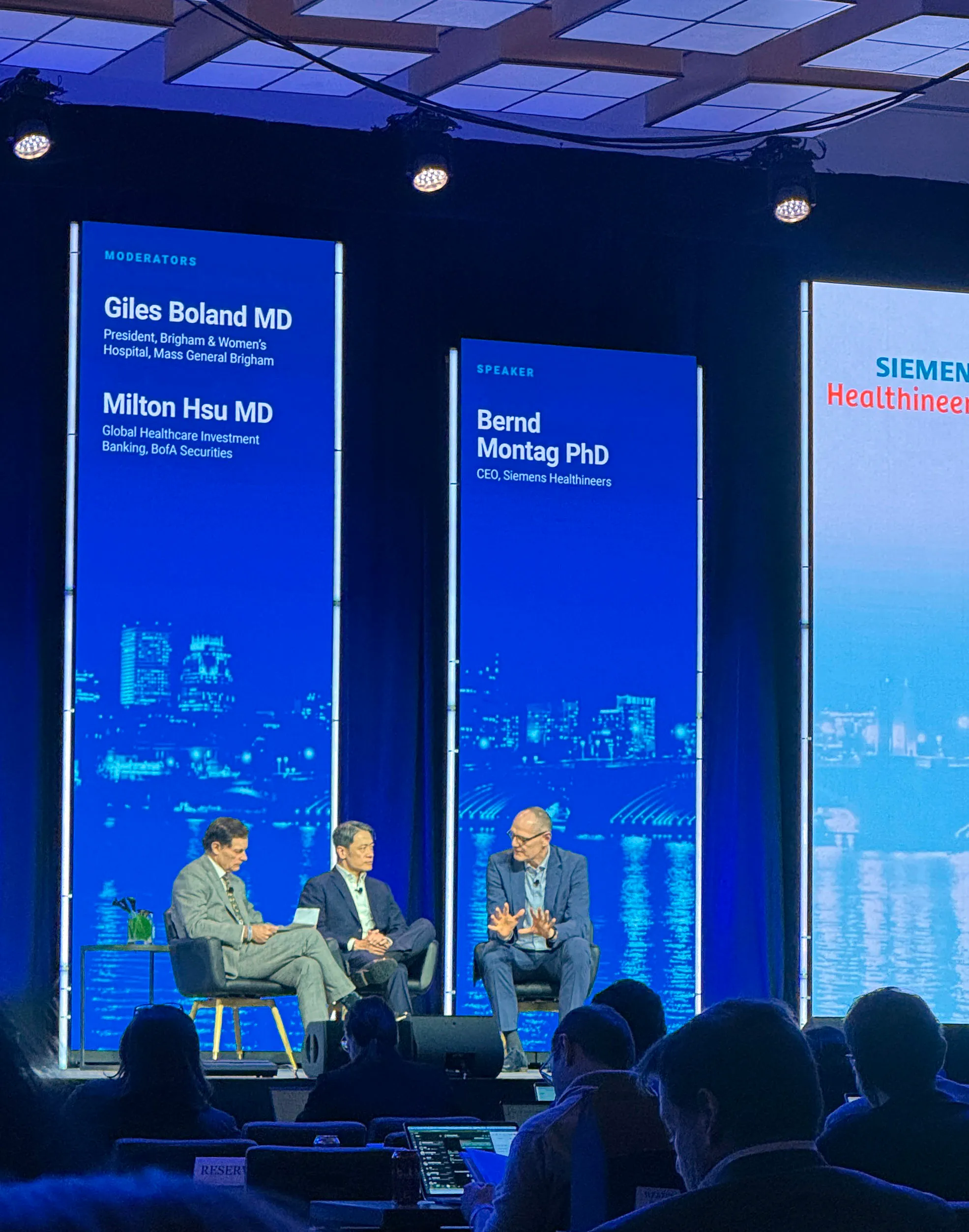
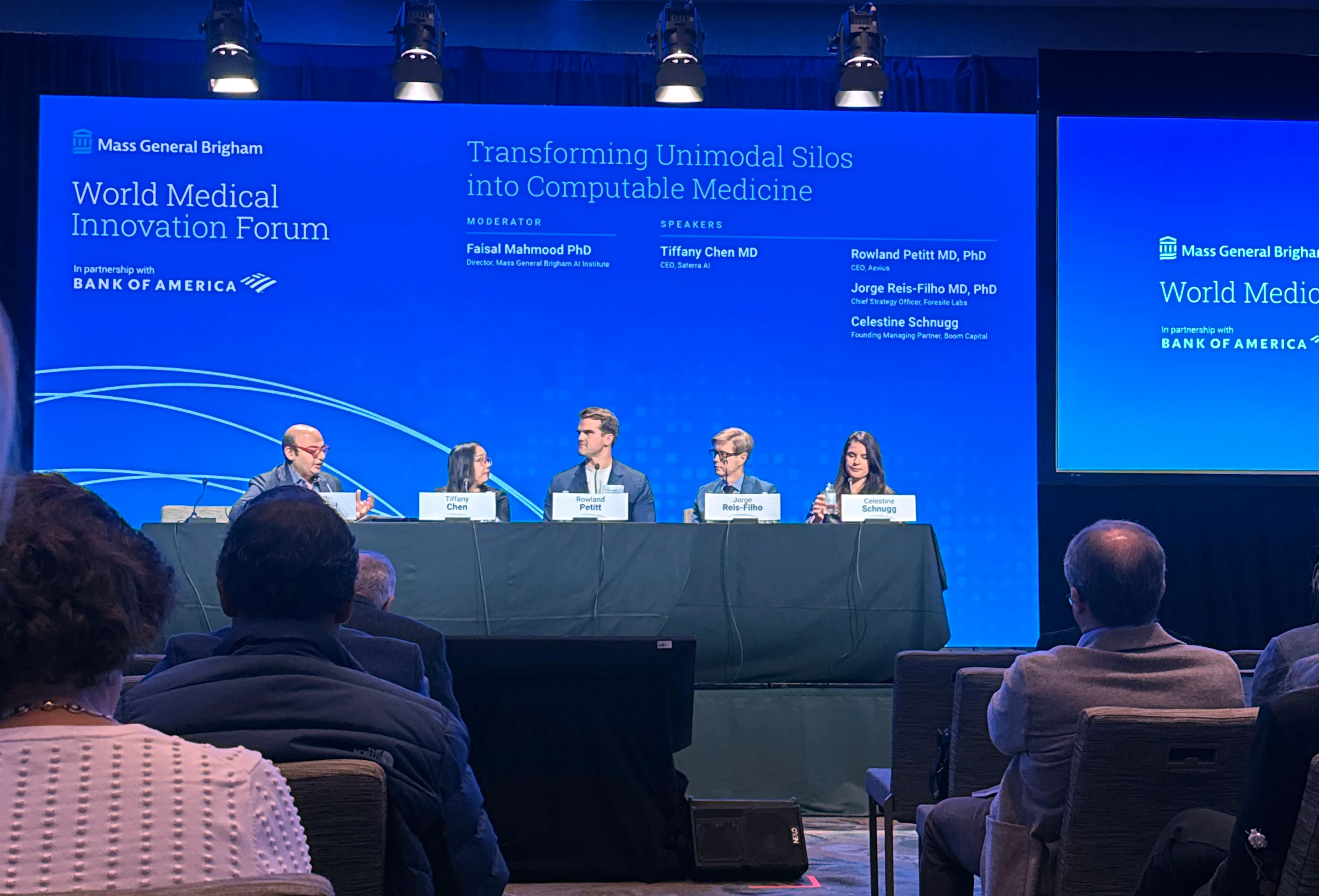
It’s not clear how AI will end up changing clinical workflows - players across the health ecosystem, f are outlining their vision for AI in clinical work. Each described different foundational roles for models: on-device, within EHRs, to simulate drug interactions & predict treatment efficacy - but there’s still a massive white space around how people will use these future tools. Designers have the opportunity to understand and envision how these new workflows can exist, and ensure the resulting products are safe and usable.
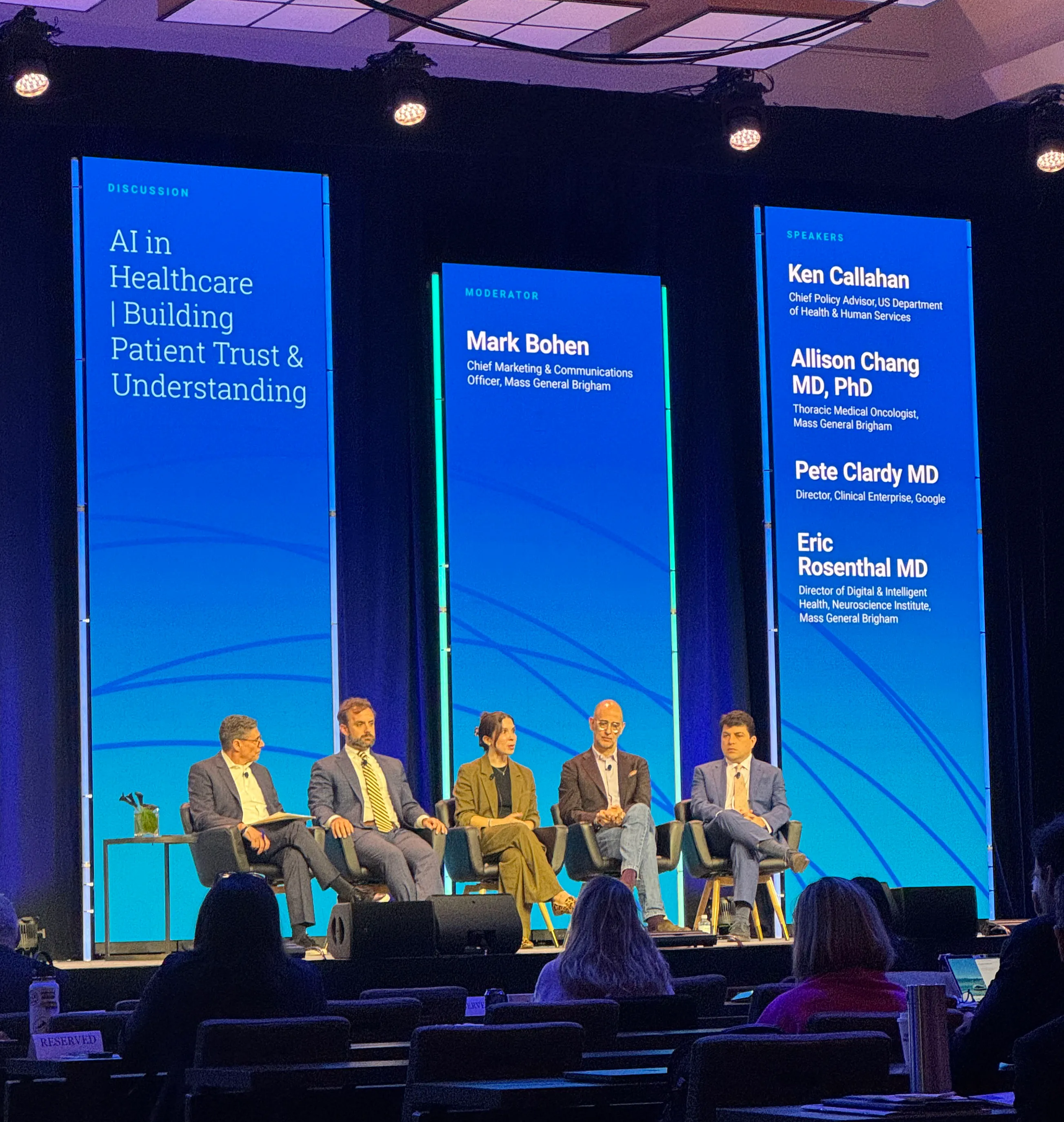
We need a better framework around consent for patients and their health data - So much AI health innovation is built on the premise that EHR, wearable, and patient information should be freely available to model builders. On the patient side, it’s not yet widely understood that simply going to the doctor means a third party organization can build new products on data generated during your visit. Designers need to be strong, patient centered advocates for how we surface requests for patient data & how patients can benefit from innovations built off their data.
Patient trust is critical for expanding healthcare access - One of my favorite panels was with Allison Bryant Mantha, Valerie Dao, Rian M., and Priya Sarin Gupta, who outlined different approaches they’re taking to expand access to care through technology. A huge part of health access is making sure patients feel comfortable to even ask for help, and there is some very inspiring innovation around reaching patients where they are. Oben Health is building a platform that enables local organizations, like barber shops, to provide basic health services & referrals. Mass General Brigham spun up a mobile care unit for low-access communities, using human connection to provide access to a wide-range of health services to those that need it most. Designers have a clear opportunity to make these cutting edge platforms & services broadly beneficial and scalable, without losing the human touch that makes programs effective.
While healthcare is going through this massive change, it’s an exciting time to be a designer and the voice of an end user in the product development process for health.