Verily Patch
Verily Patch is a self-applied Remote Patient Monitoring (RPM) device that tracks a patient’s temperature and other vital signs. I led the design for the product - device, packaging, and app - for our initial clinical partnership and resulting commercial acceleration, filling gaps until we hired a complete team.

From Technology to Product
While a small engineering team had a working prototype, there was a lot of ambiguity around what the product was, who would use it, and how. In a high pressure environment, I aligned our team on approaches to self-application, industrial design, data transfer, and packaging, and maintained the design intent as we worked through the development process.


Easy to replace frame
Our biggest design challenge was making the device easy to self-apply. The final design enabled enabled easy weekly adhesive application, by heat staking a plastic carrier to a skin adhesive.
Clinical Precision in a Small Package
Verily Patch fits in a device about the size of a quarter, but can last for over a month, while maintaining a continuous and accurate connection to a smart phone.

Enabling Device Self-Application
As we tested app design variations, we found that animations were the most effective medium for patient education. We developed a series of animated instructions, that when paired with the out-of-box set up experience, led to near perfect usage in a non-tech-savvy user group.

Maintained Design Intent
From the adhesive assembly, to on-device labeling, to the device form, every aspect of Patch was under a microscope and questioned by the technical teams. I shepherded the design through their concerns, resulting in a beautiful and easy-to use device.
Heatworks Model 3
The Heatworks Model 3 is an energy efficient tank-less water heater. Using graphite electrodes and electronic controls, we pass controlled electric currents through the water. This transfer of electrical energy into the water increases the thermal energy, creating heat.
Heatworks approached frog to build a company strategy, brand, and industrial design for their next generation water heater.
Designed at frog in 2018 with: Jon Grossman, Ryan Wickre, Inbal Etgar, Ara Acle
Winner of the 2018 Red Dot Design Award

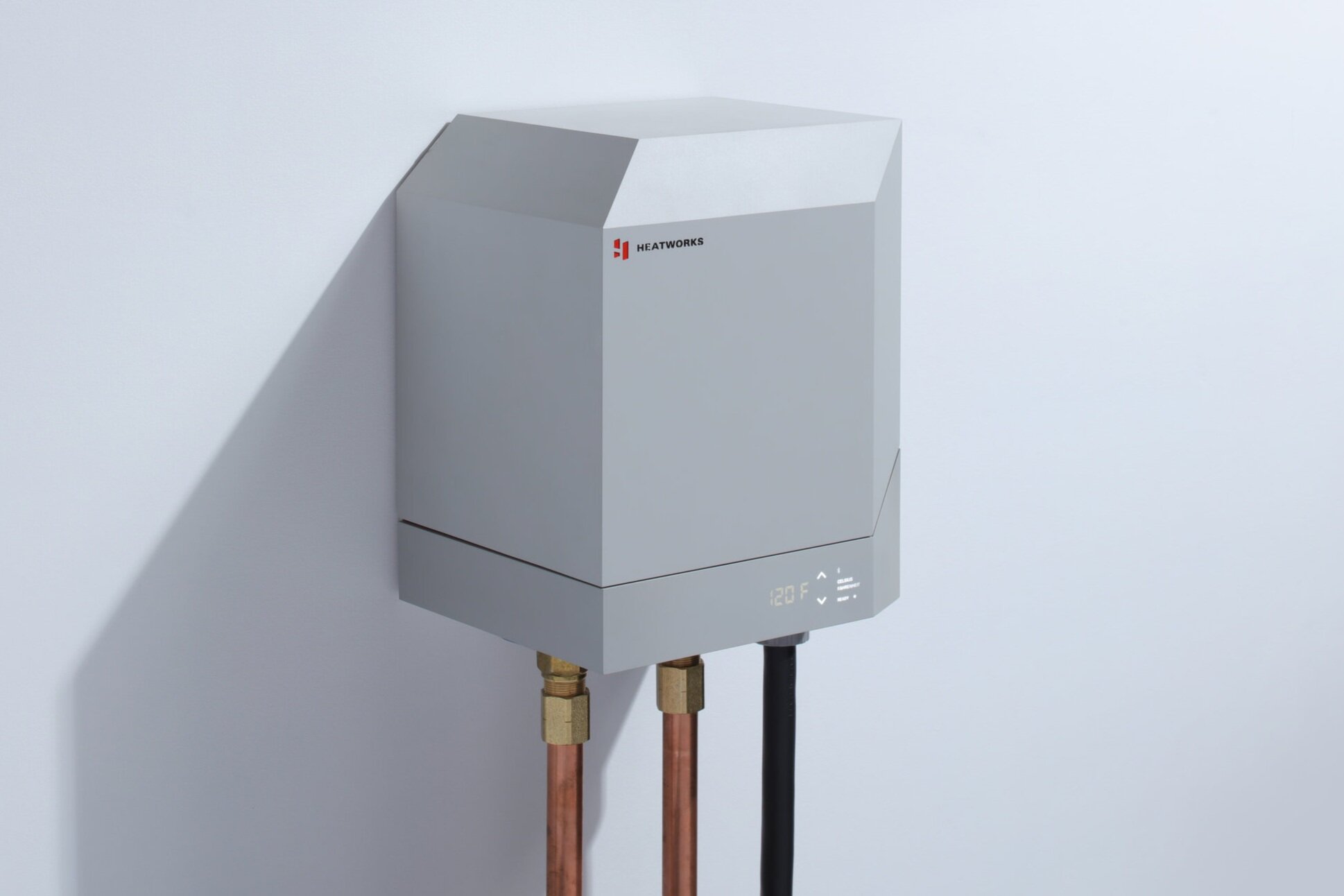
A new perspective on water heating
Our driving design principle was around the innovation of the technology inside. From the branding to the industrial design, our concept was all about “new perspectives”.
Under the Hood
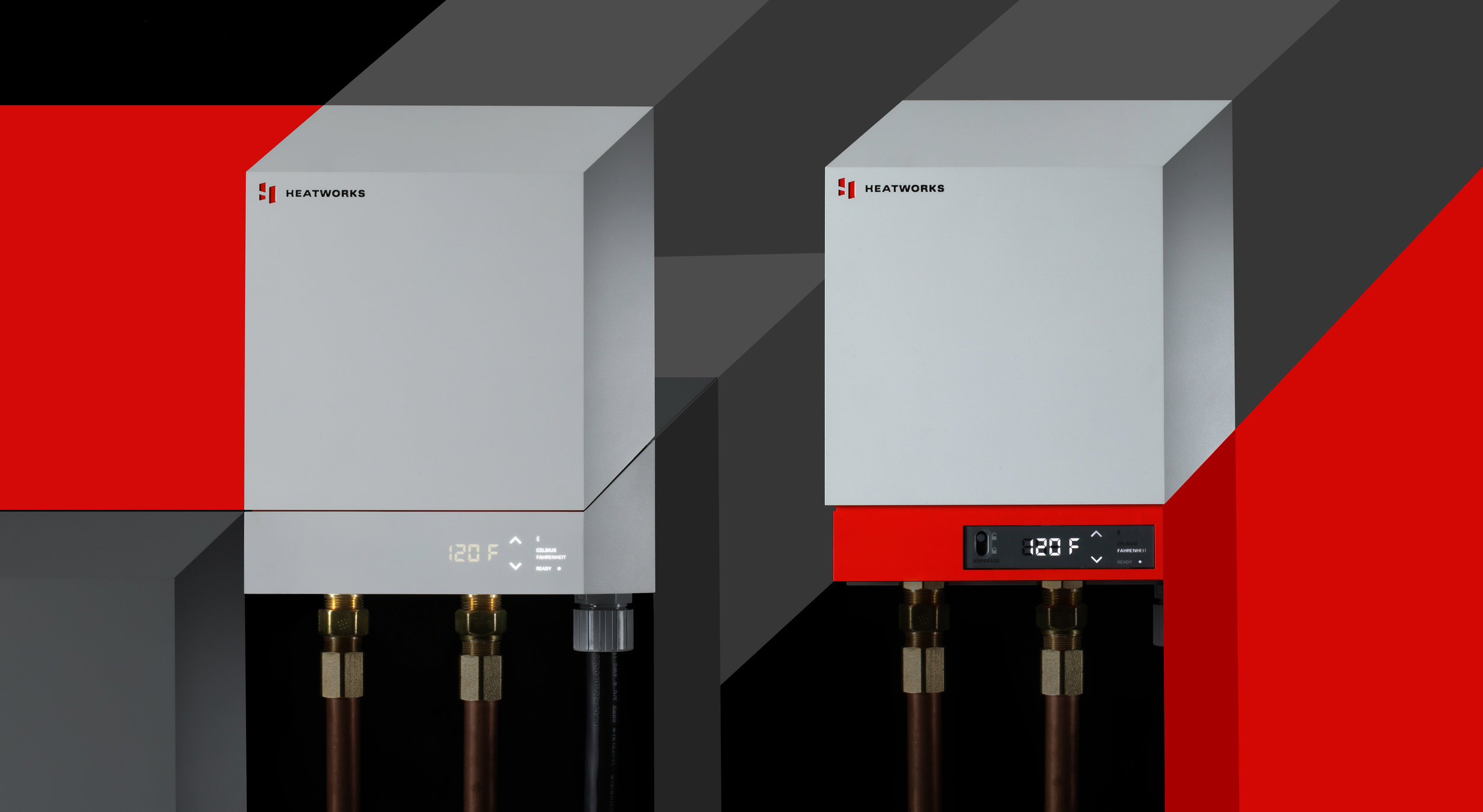
There are some controls and settings we only wanted users to use once, such as some cable attachments and voltage controls. We decided to lock these under a frame in the final step of installation, preventing potential dangerous changes from happening while the device is running.
We also made this part red, first to match our brand identity, but also to alert users to the danger of this step.


Refined labeling, hidden once installed.
This product category is defined by regulatory overload - tons of stickers and information that must be included on every level. Improving the product meant developing a labeling system that can evolve for different markets and sales channels. The final design included detailing out an approach to breaking out information in clear and easily update-able pieces.
We also recognized that most of this was totally unnecessary after installation. By hiding it all on the rear surface, this information isn’t announcing itself when it is not needed.
A custom UI that blends into the device.
The front of the device uses a combination of LED lights and a segmented display to allow for easy set up, quick temperature adjustments, bluetooth syncing, and voltage selection. The display is paired with capacitive touch that shows up when you press it and automatically disappears when you no longer need it.

REVL Arc
REVL approached frog to develop a product out of a prototype single-axis stabilized action camera. I was part of an interdisciplinary team to turn this technology into a full fledged business, including branding, product strategy, and industrial design. Within the ID team, I created and developed the concept that would eventually be selected for production.
ID Team: Jon Grossman, Alex Castelao, Hailey Stewart, Cat Lam


Using Design to Highlight the Core Technology
REVL’s innovative rotational technology meant that the camera will always look “level” when viewed from front on. This led to a design principle to “show the rotational alignment”, and the direction I developed had the camera body transition from a polygonal shape into a circular motor. The polygonal shape will stay level to the horizon, no matter how much it rotates, without being caught on anything near the motor.

Last Minute Revisions
Near the end of our design phase, it became clear that the image sensor needed an increase in surface area to dissipate heat. I quickly developed and refined a pattern that wrapped around our design and blended seamlessly into the device.

Delivered and Produced on Schedule
The design we delivered moved through production while maintaining the vision- even with the complex curvature and patterning our client was able to execute and deliver a strong outcome.


Naloxone Atomizer
This was a concept project completed at frog. I led the research and design of this project, resulting in a high visibility concept we pitched to a number of healthcare and pharmaceutical companies.
I redesigned the Naloxone nasal atomizer; a generic drug that reverses the effects of an opiate overdose. The current products are a kit of parts assembled by nonprofits throughout the country - the goal of this project was to find a way to simplify the use of current device and simplify distribution logistics while keeping it’s costs low.
Featured in a range of online and print publications:
FastCo: How Frog Designed A Life-Saving EpiPen for Heroin Overdoses
SF Chronicle: Drug-overdose prevention gets a makeover from SF design firm Frog
This project was also a finalist in the 2016 FastCo Innovation by Design Awards.


A complete system - from distribution to use.
In talking with the SF Harm Reduction Coalition, they have to assemble kits that are robust enough to last being on the streets, while also being easy to use. The new naloxone system implements usability improvements in the device, while coming pre-assembled and pre-kitted in a robust (but low cost) case. By lowering the potential for the device to break before and during use, we can save lives and money, and allow public health systems to focus on outreach rather than kitting and assembly.
Rapid Prototyping to quickly test comfort and usability
Quick models were made throughout the development process to test comfort and ease of use. The biggest design driver of the device was the dual-nostril approach. With the current device, users need to administer half the dose in one nostril, and half in the other. By combining these steps into a single action, we can better ensure doses are administered properly.


Step 1: Open Case
When an overdose happens, every second counts. The case is designed to be easily snapped open. A clear part on the outside shows what’s inside - current kits are frequently damaged because people open them up to figure out what’s inside before they need them.
Once the cap is removed, the atomizer’s handle is presented finger height away from the bottom of the case, allowing for easy removal and quick action to the administration step
Step 2: Administer Dose
No assembly required. Unlike current products, this naloxone atomizer is ready to go once removed from the case. The syringe is pre-filled to the proper dose, and when the handle is pressed, splits the dose evenly between both nostrils.


Pre-assembled but Modular
Nasal atomizing of drugs is still nascent - however hospitals are finding in emergency cases where a vein is hard to identify, it may be easier to spray medicine into someone’s nose rather than in their arm.
By allowing the atomizer tip to be removable, hospitals and emergency rooms can fill up the atomizer with any drug and any dose, and then administer them nasally.

Featured in the San Francisco Chronicle.
Sensel Morph
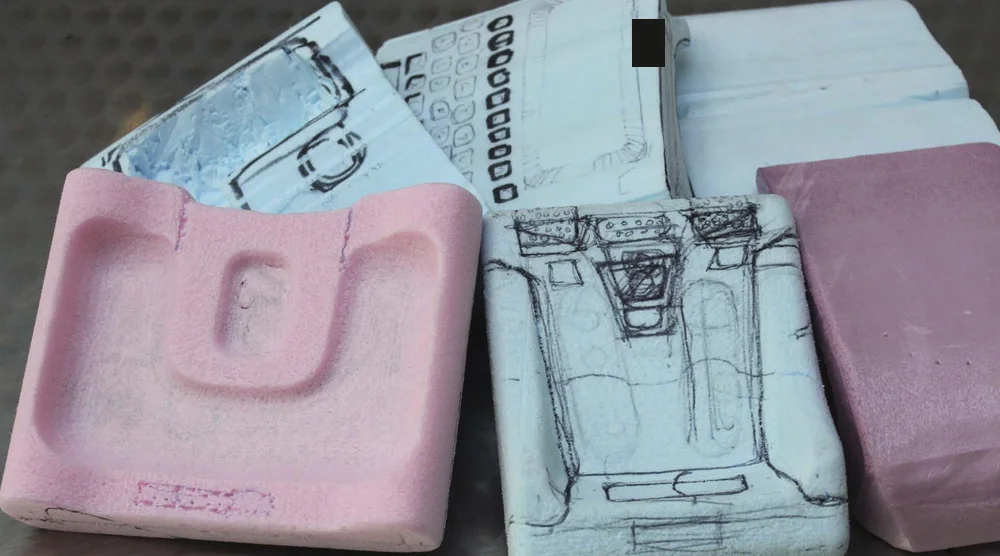
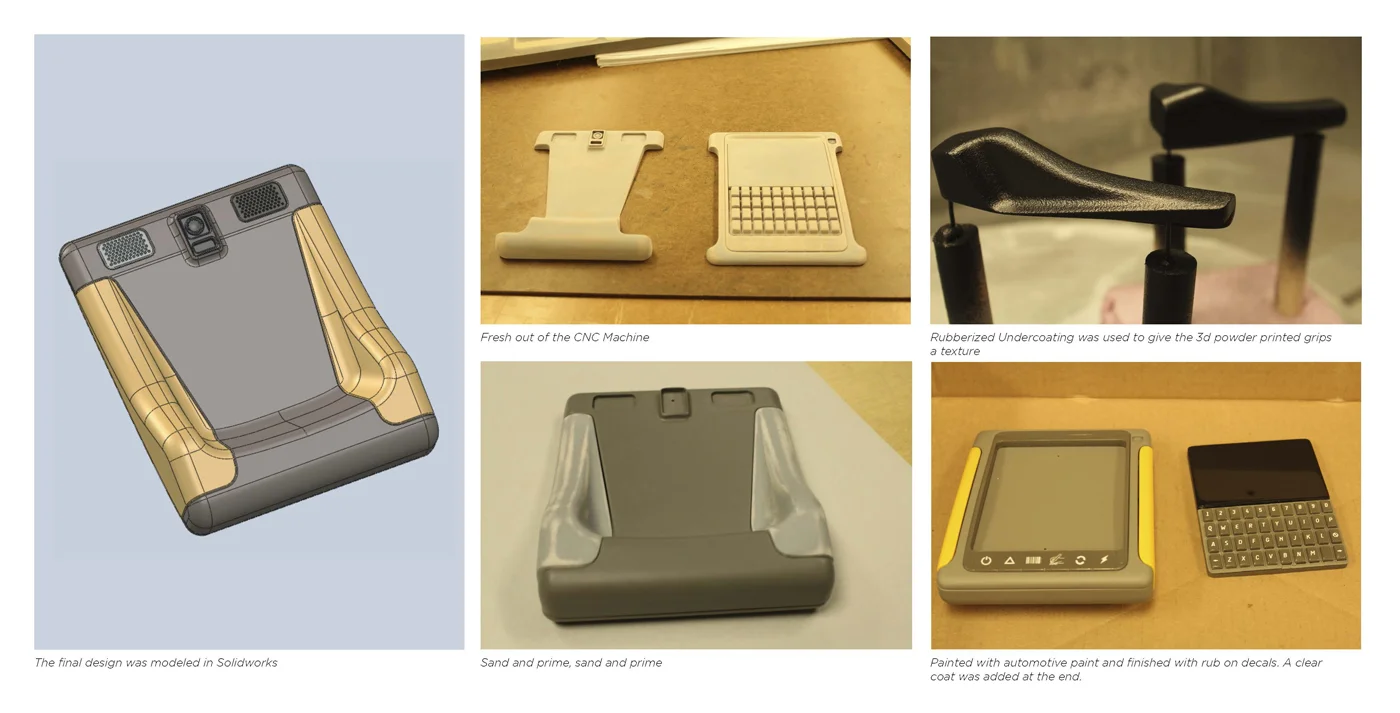
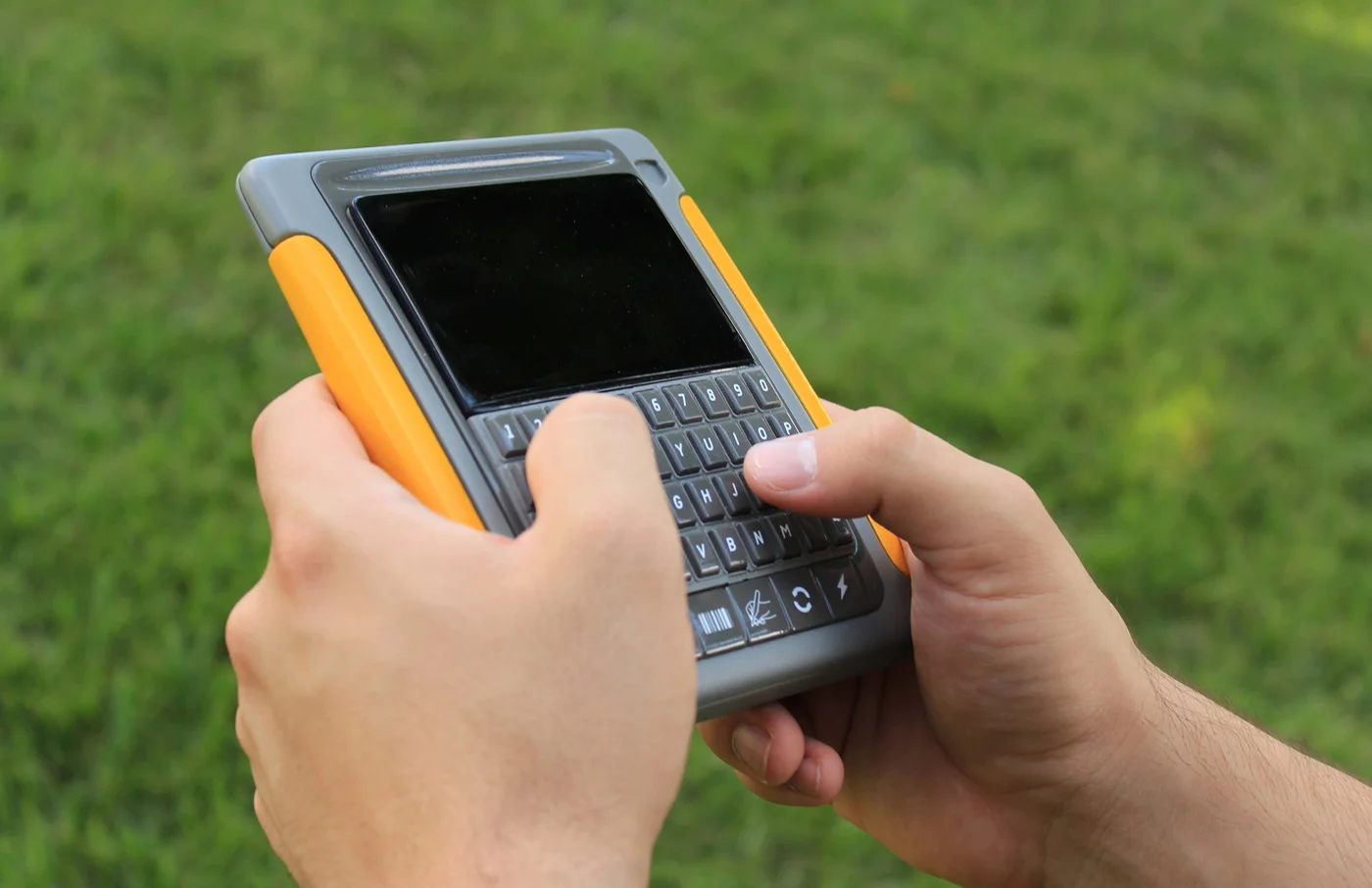
The Sensel Morph is an innovative new way to interact with technology with more precision, care, and nuance. The Sensel team approached frog with their new touch input technology, and we helped build out a product concept, strategy, and design around a modular device that users can build their own interfaces around.
Team: Jon Grossman, Steve Seltzer, James Song, Amalia Sieber, Jeff Southard
Won two IxDA awards in 2016 for Best Concept and Best in Category, Disrupting


Nuance in Touch
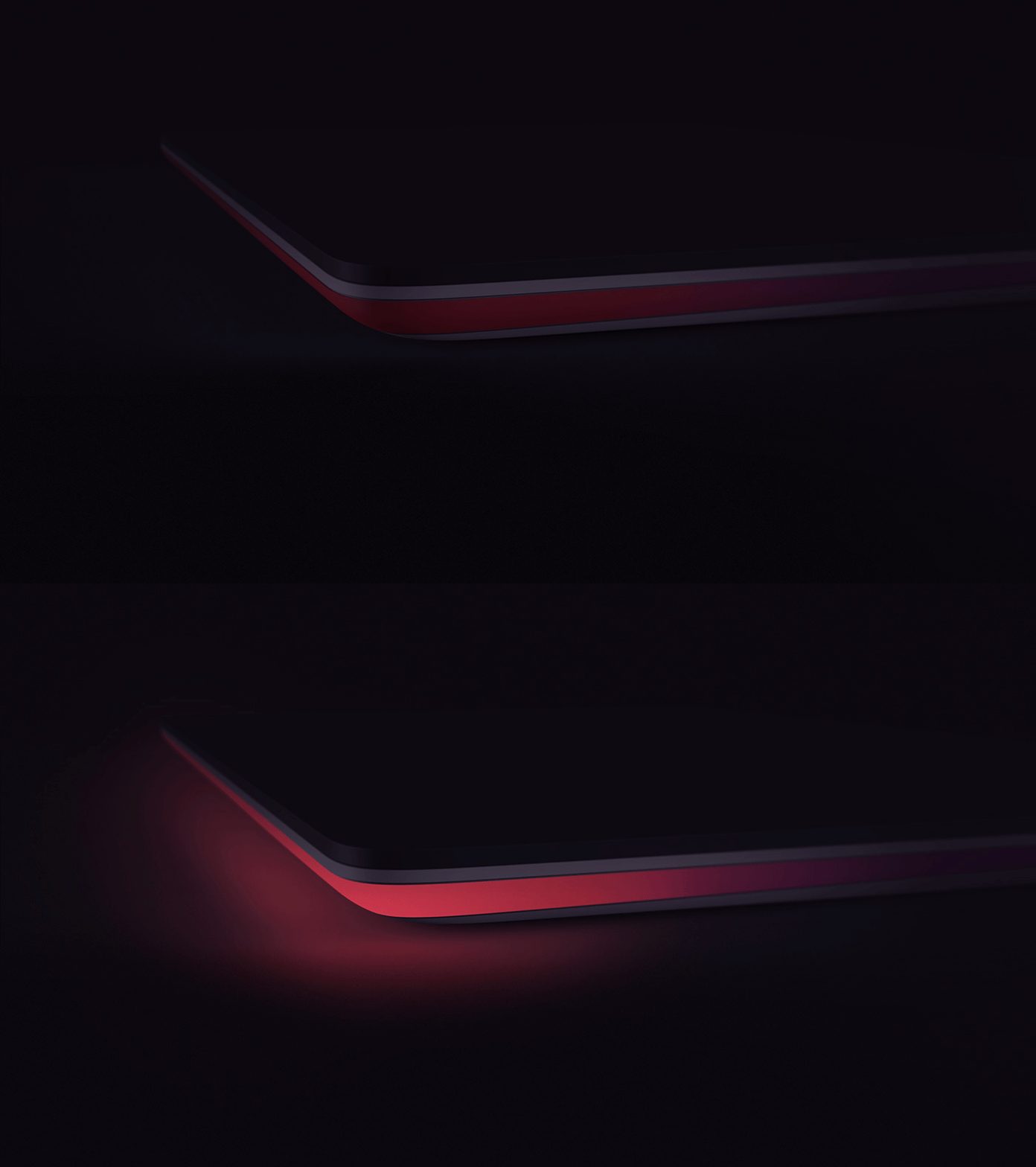
Since the device itself is a means to new computer input, we wanted the design language to show off this use case. An undulating plastic part wraps the edge of the device, acting both as a light strip and brand touch point- frog also built out the brand identity around this theme of “Nuance in Touch”, and used the pink/blue gradient as a defining feature.


Freewrite
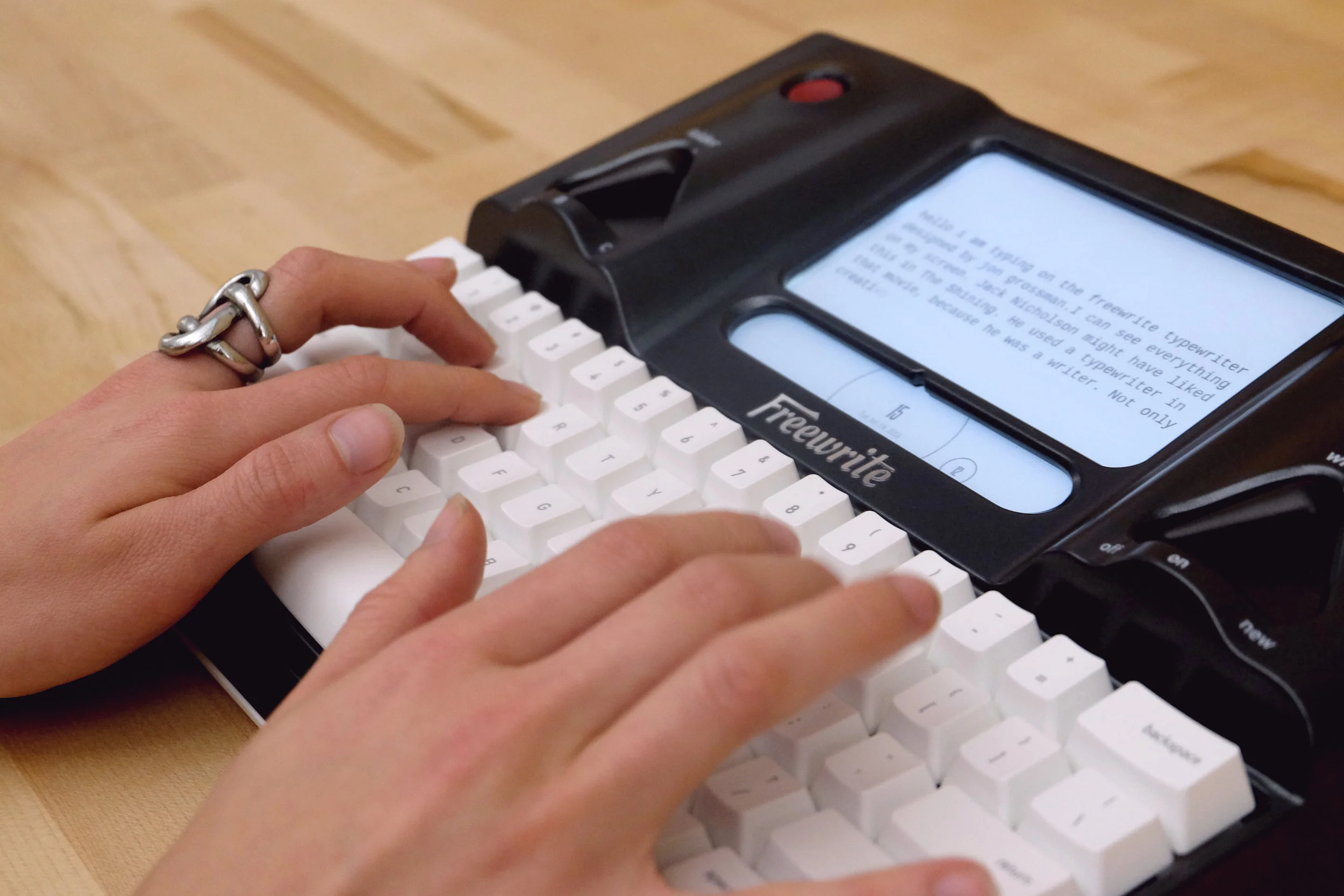
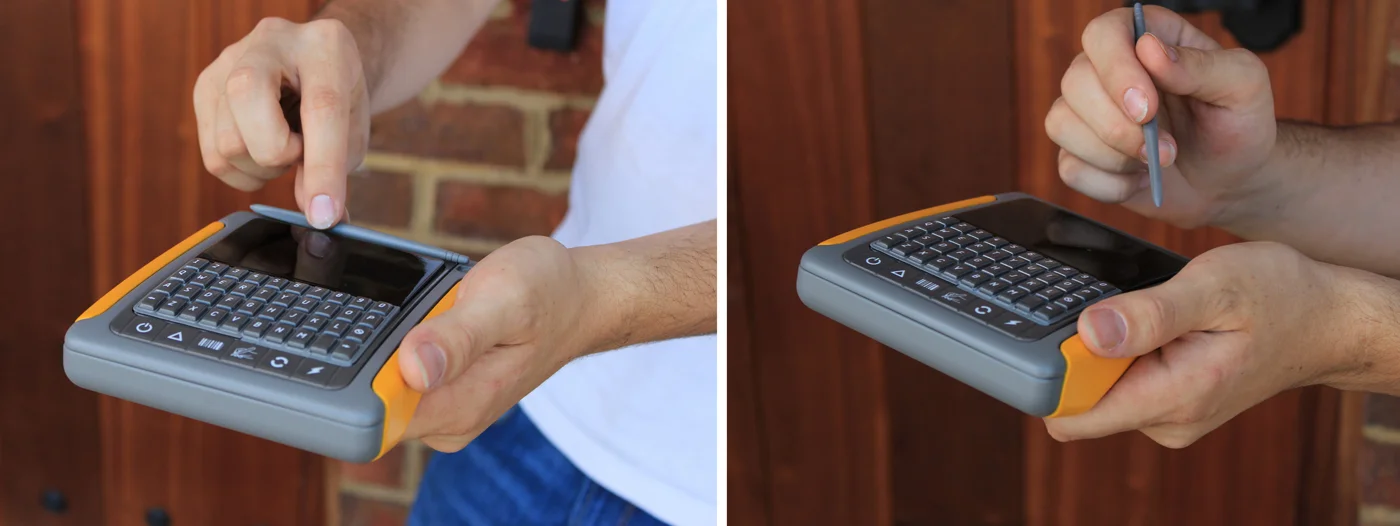
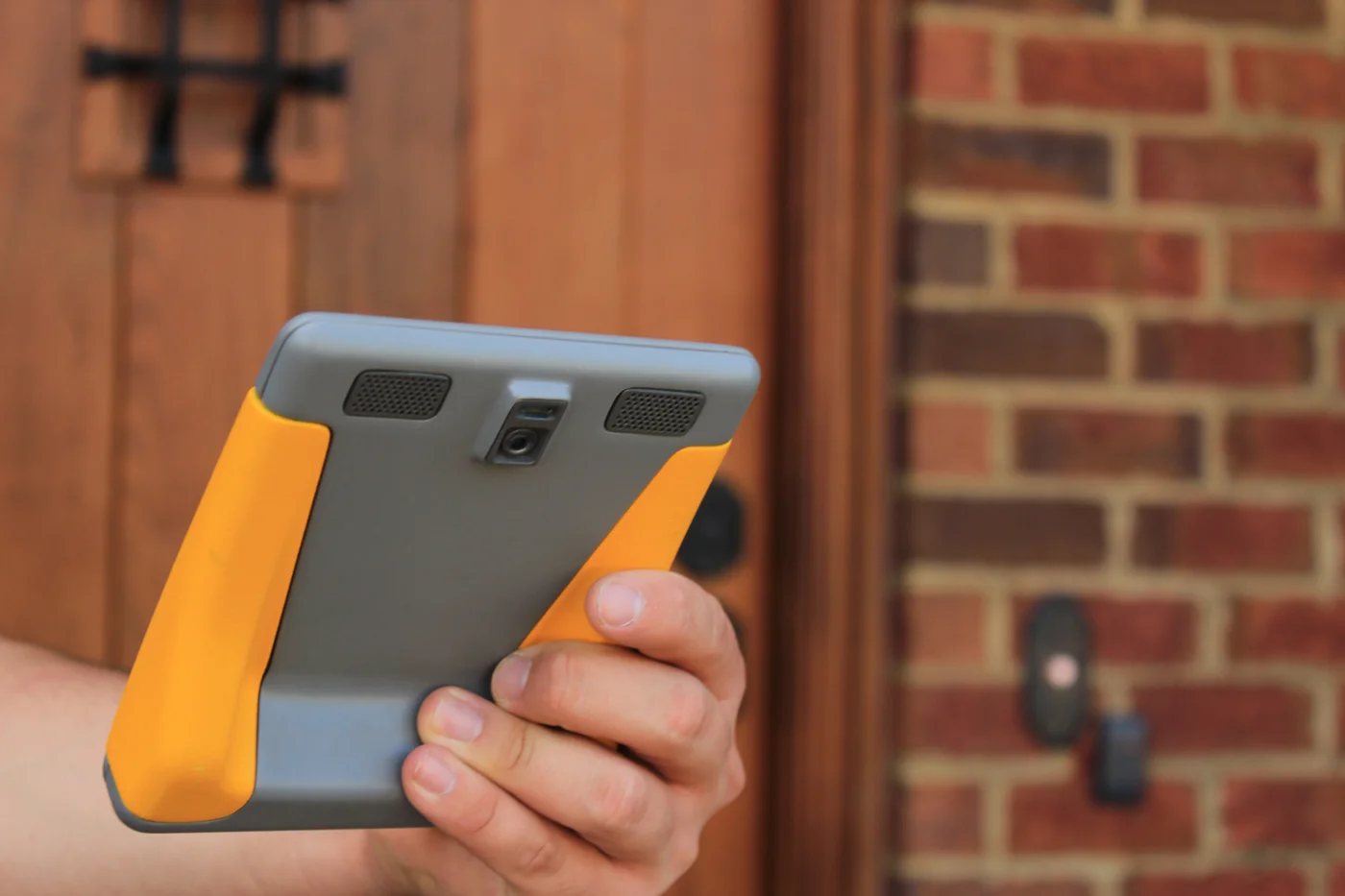
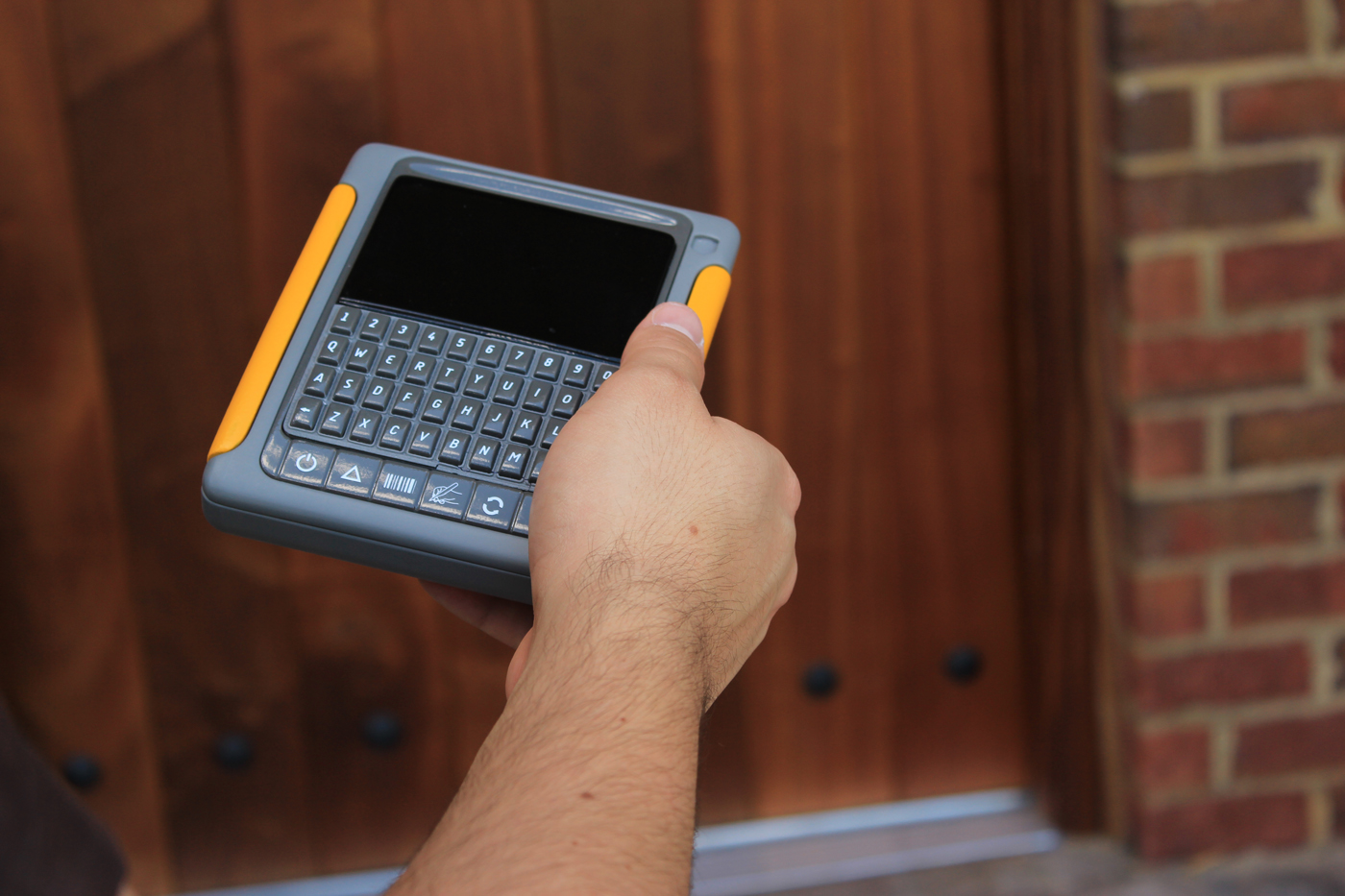
Freewrite is a distraction-free device, that both promotes a healthy, technology reduced lifestyle and enables you to be more productive. Myself and Mark Hearn approached the Freewrite team after seeing their prototype on Kickstarter about a potential collaboration in 2016, and have been working with the team ever since.
Team: Jon Grossman, Mark Hearn
Winner of the Notable Consumer Product 2015 Core77 Design Award


Silly Sandwich Cutters
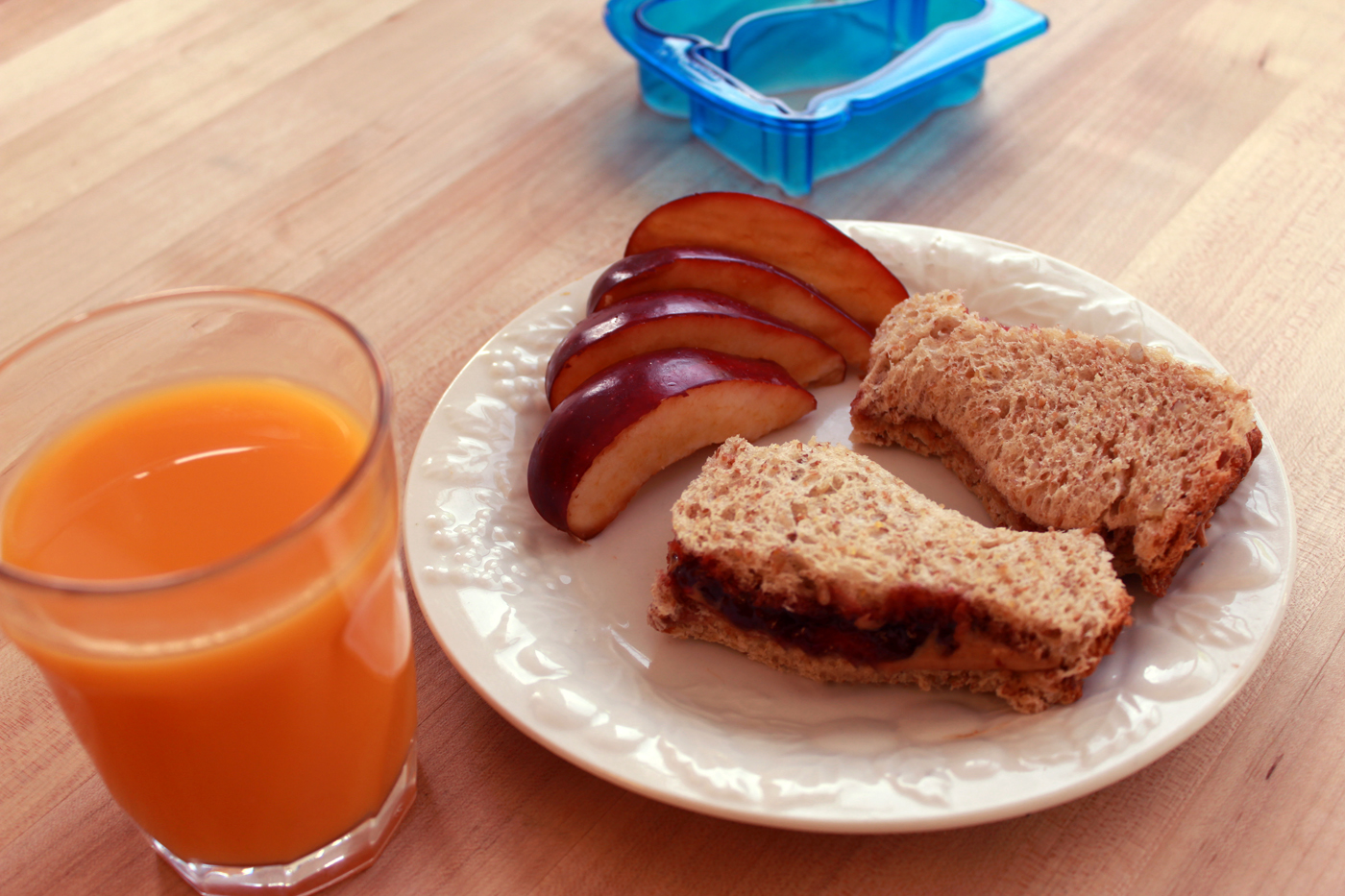
The Silly Sandwich Cutters are one of my projects from my time at Munchkin, and are easily both my longest selling project (been on sale since 2011) and farthest reaching (available online on major e-commerce sites like Amazon and in stores like Walmart and Target). While the product itself is relatively simple, I think the design and animals we selected are not just cute, but a large reason for this product’s continued success.
Team: Jon Grossman, Mark Tebbe, Marie Boulie
You can buy them on Amazon here.




Matterware
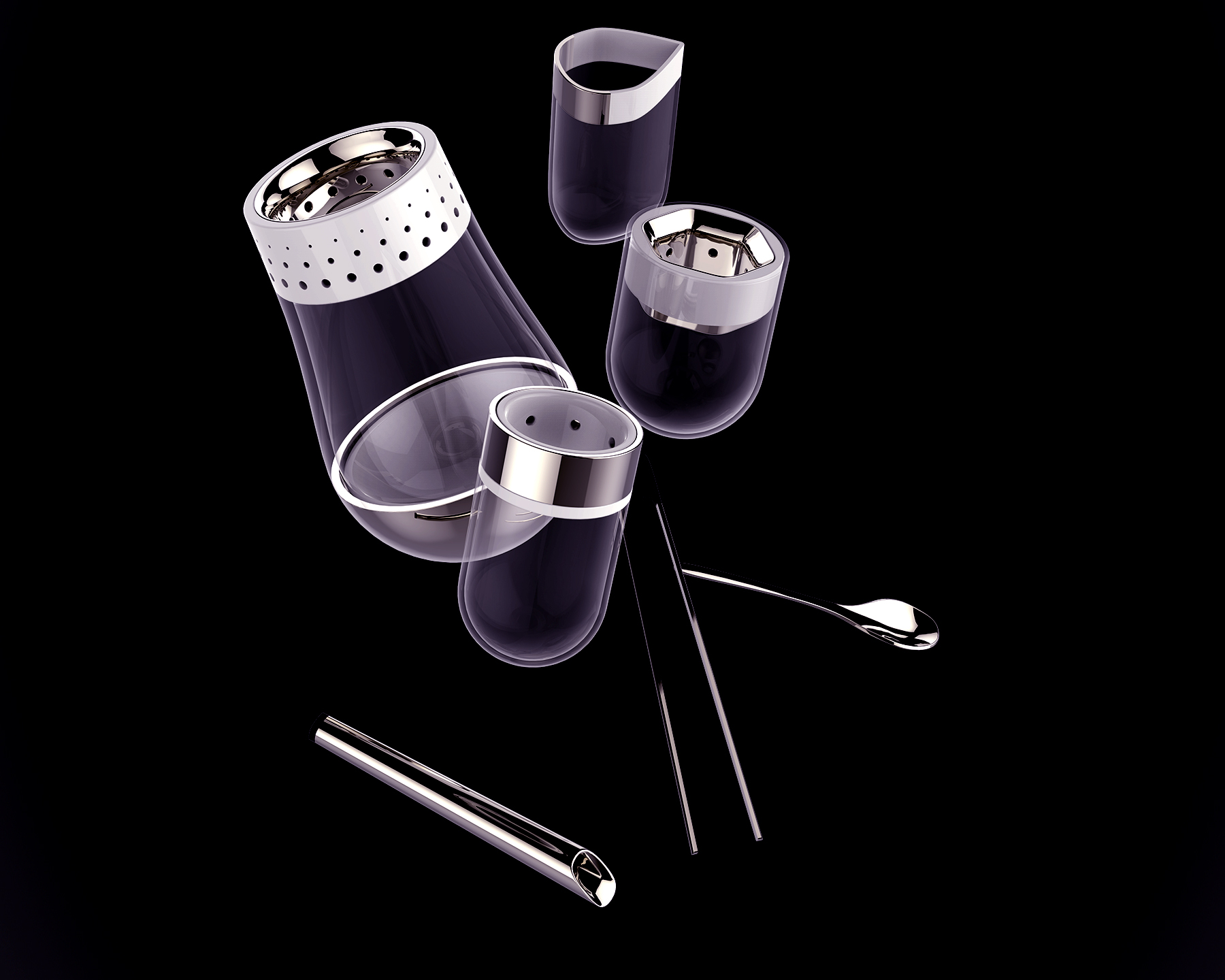
Matterware was my senior capstone project in 2014 at the University of Cincinnati. I came up with the idea of ‘fine dining in space’: I wanted know what would happen when Space Tourism became more regular. If you’re paying astronomical amounts of money to go to space, the dining experience should match. Working closely with a professor at my school who used to work at NASA, I developed concepts around food “containers”, a space station, and what the dining experience should be in microgravity.


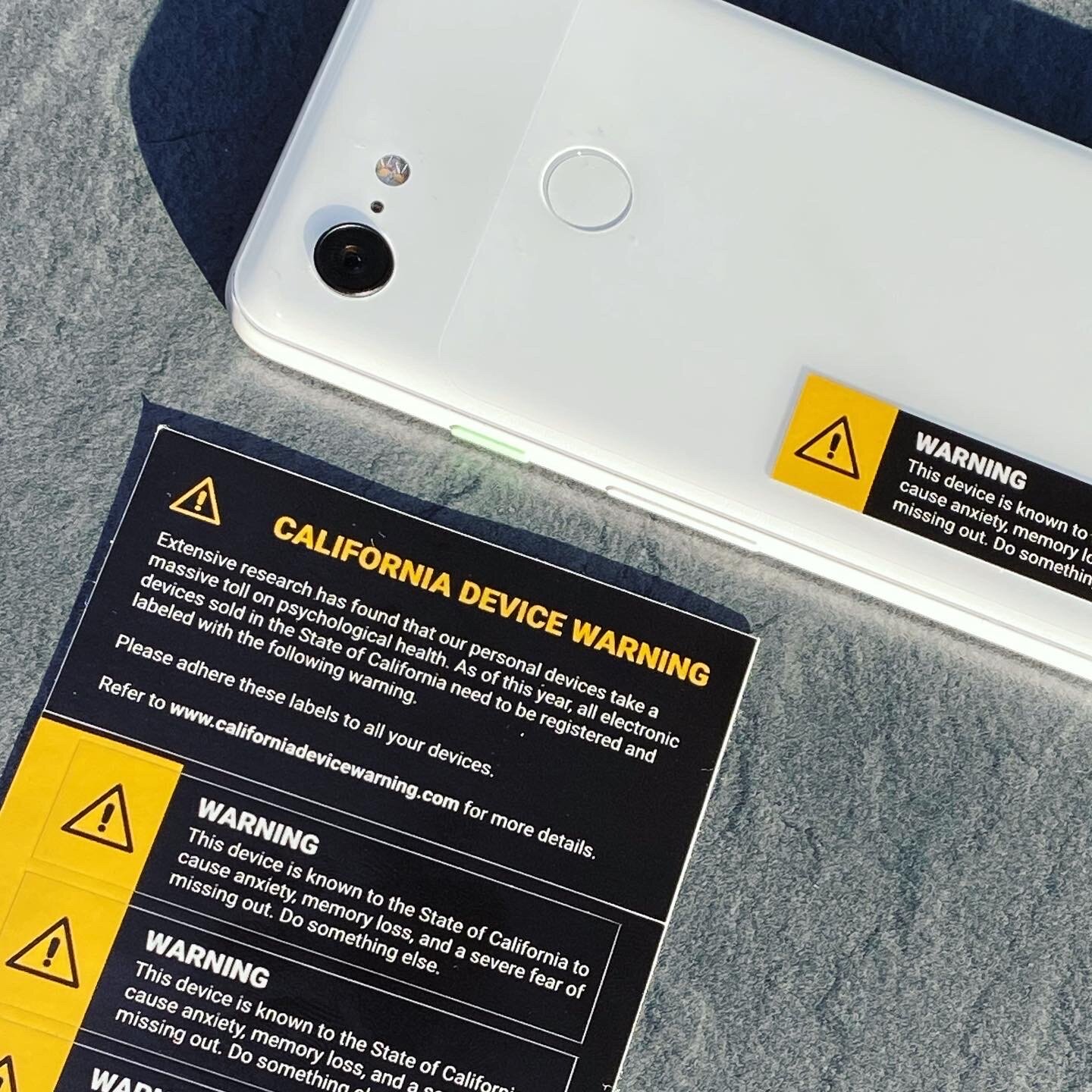
California Device Warning
I believe our portable devices are far more unhealthy for our collective psychological health than we realize. In the same way that we look back on smoking culture in the 60’s with surprise and little bit of horror, people of the 2060’s will look similarly at our era.
“Would you believe they used to carry phones, with direct access to social media, in their pockets?”
“Every day?”
“EVERY. DAY.”
“What were they thinking?”
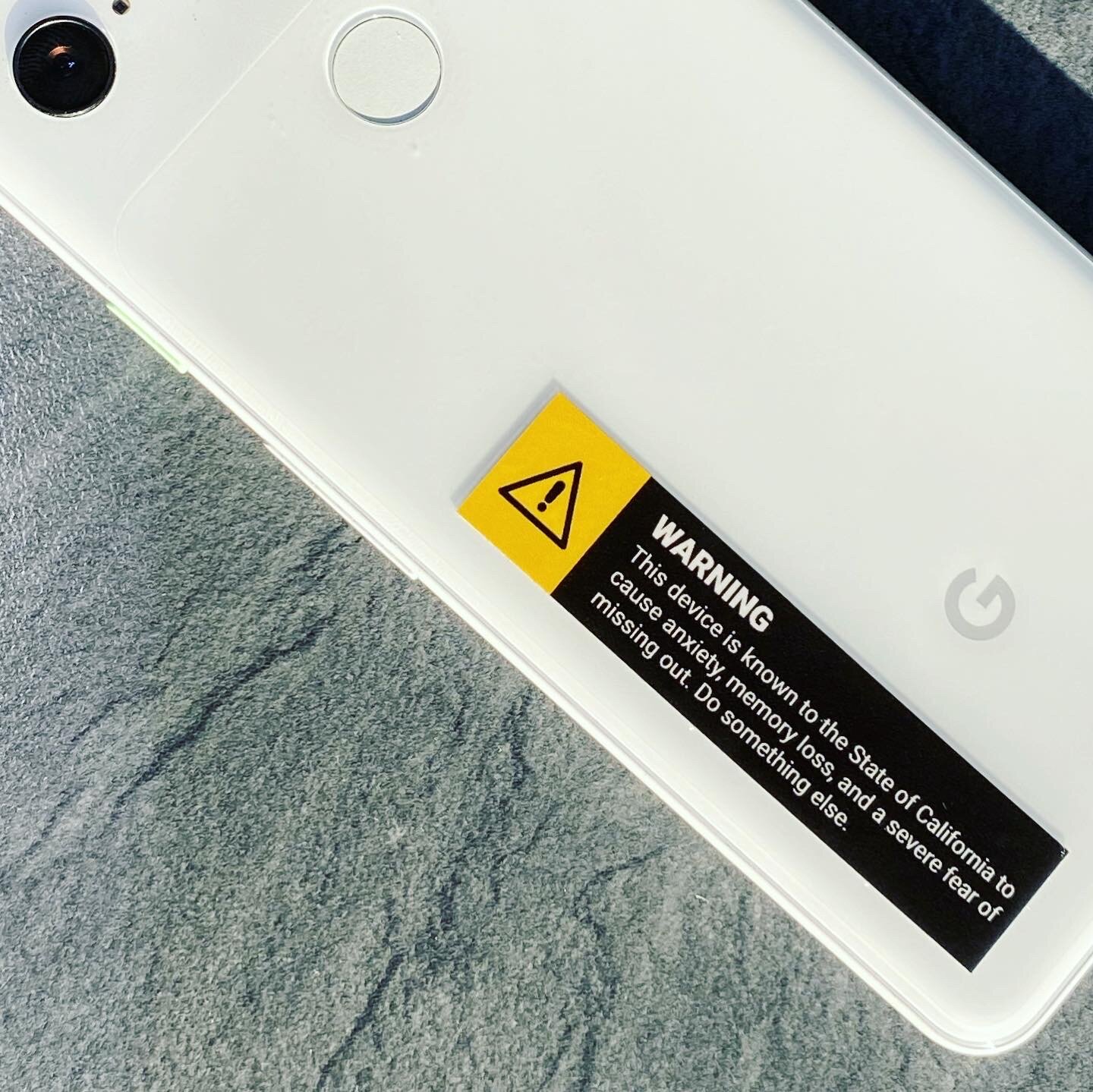
To address those future concerns now, I created a warning label for your most dangerous devices as a reminder to put them down, and do something else.
If you’d like a sticker sheet reach out to me - I made a limited run to distribute.


JAM SHOE RACK
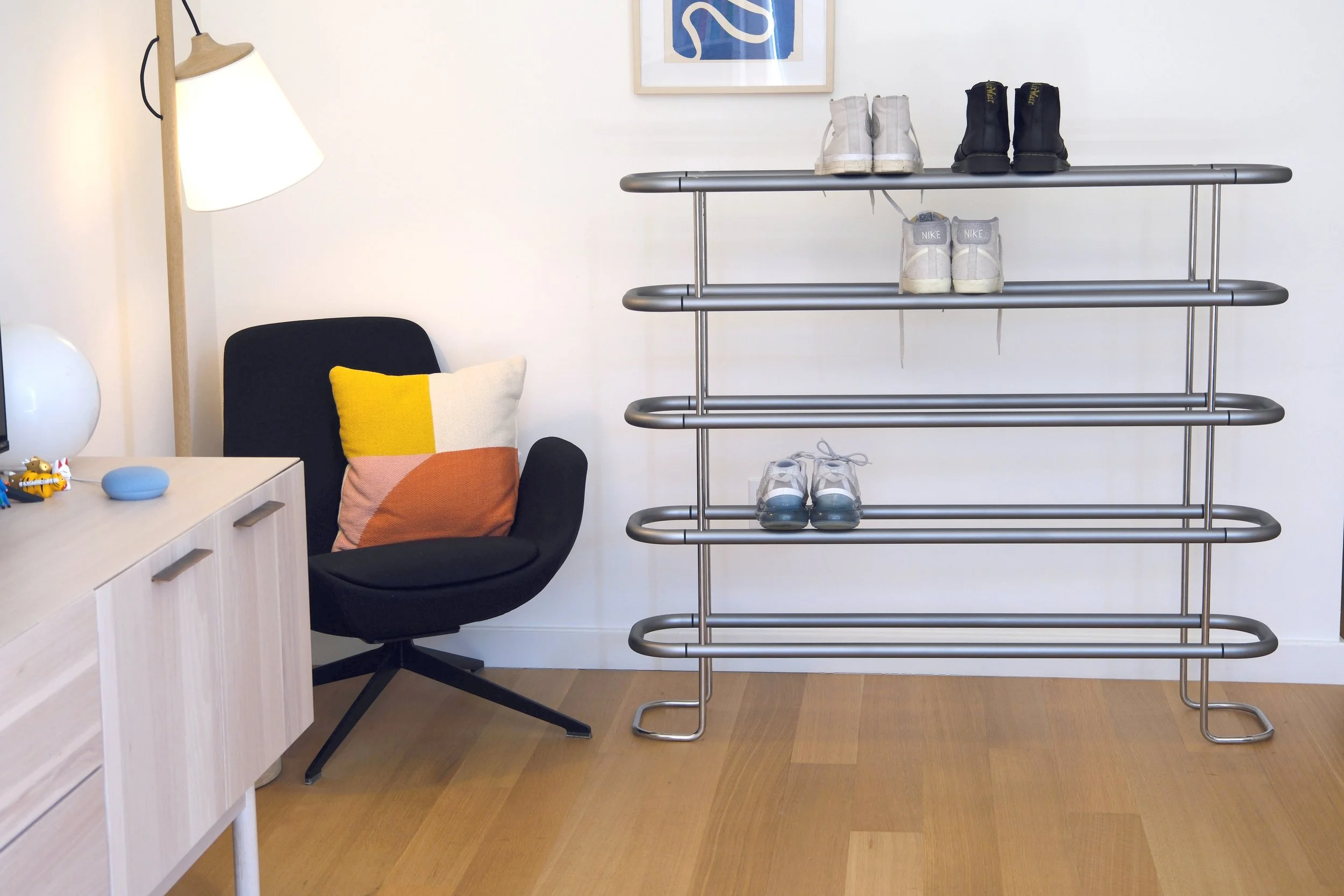
Elevating the shoe rack into a work of art.
In collaboration with Mark Hearn.
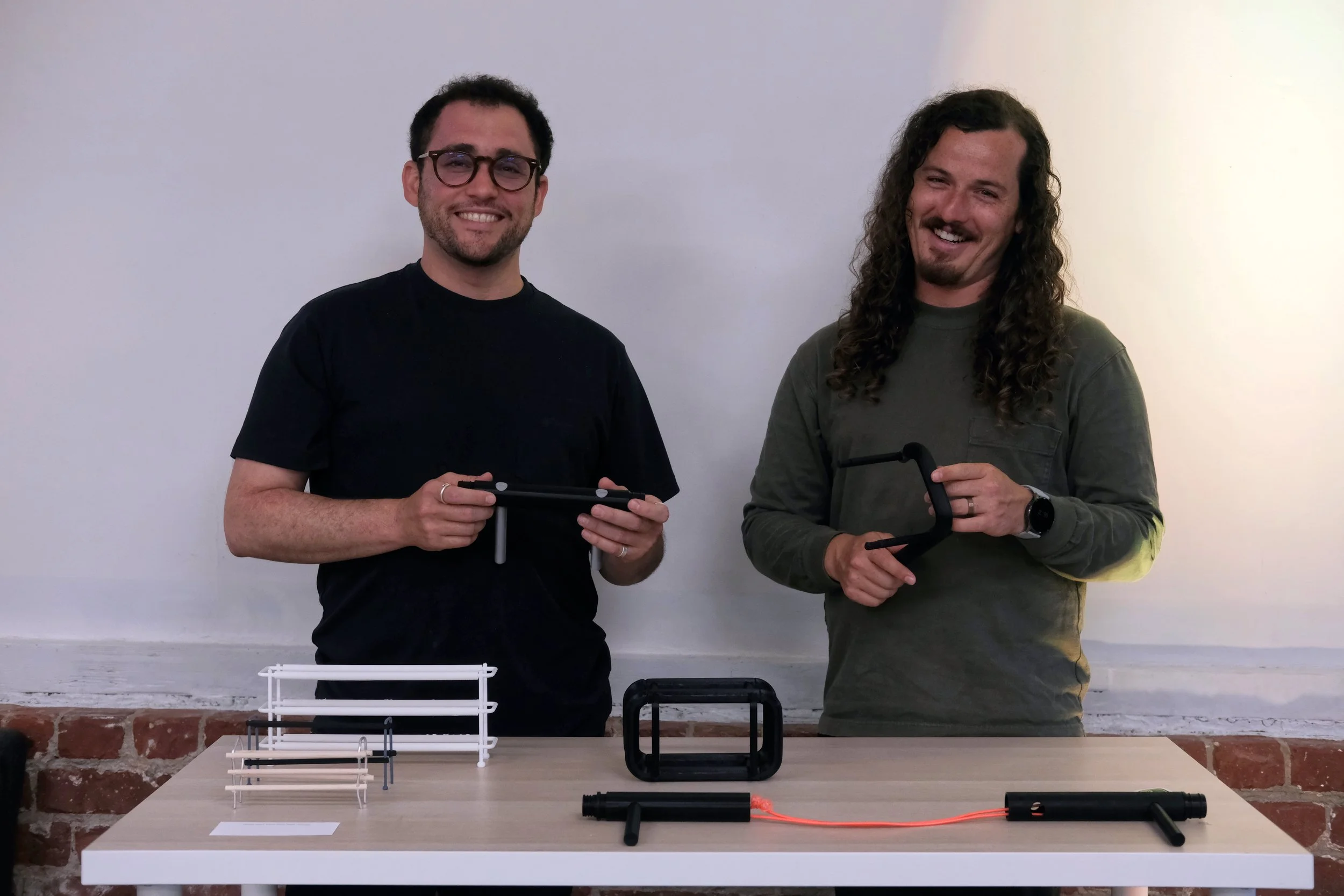
Mark and I have worked on creative projects for the past decade- each time we look to push on technology, design, and what’s possible.
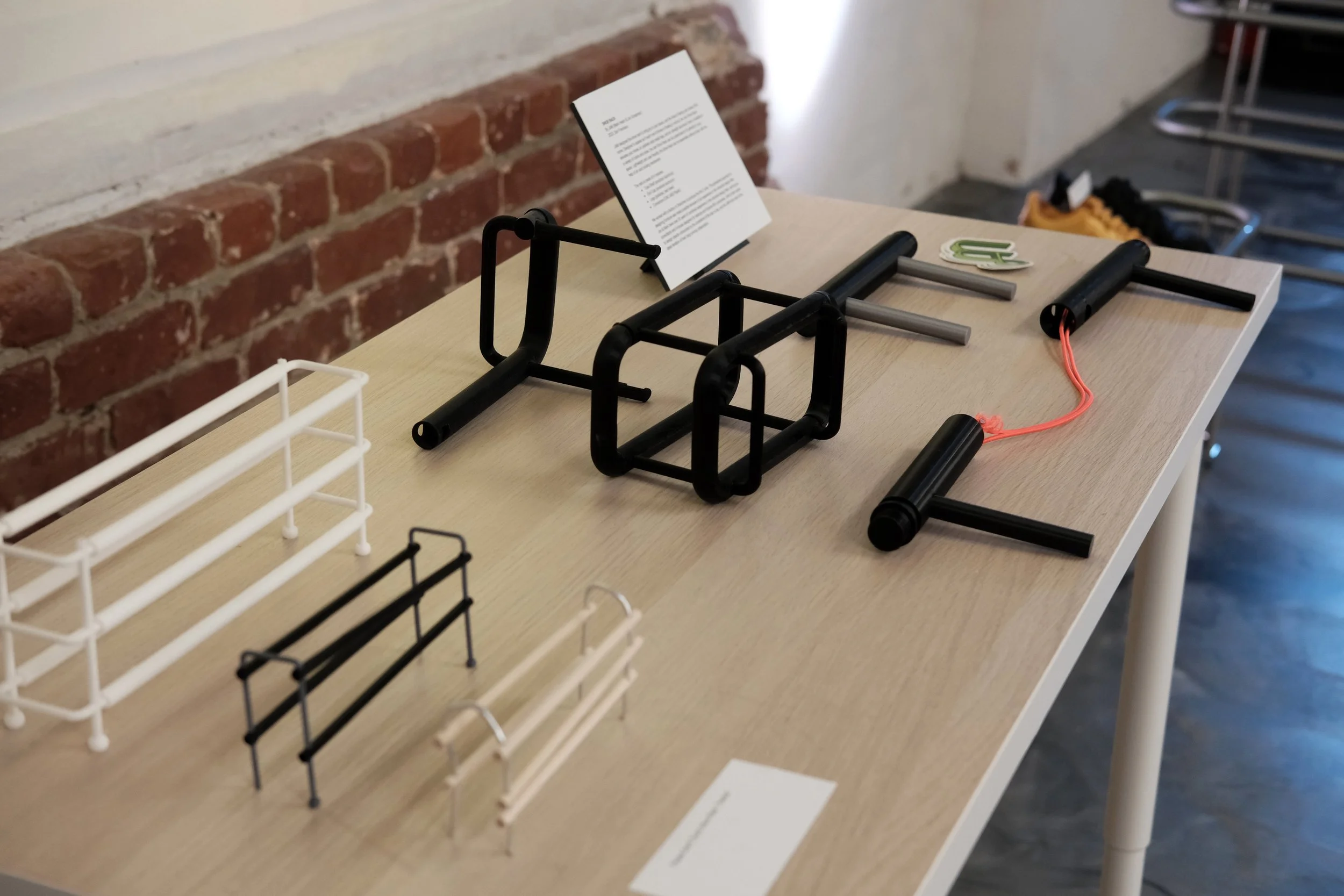
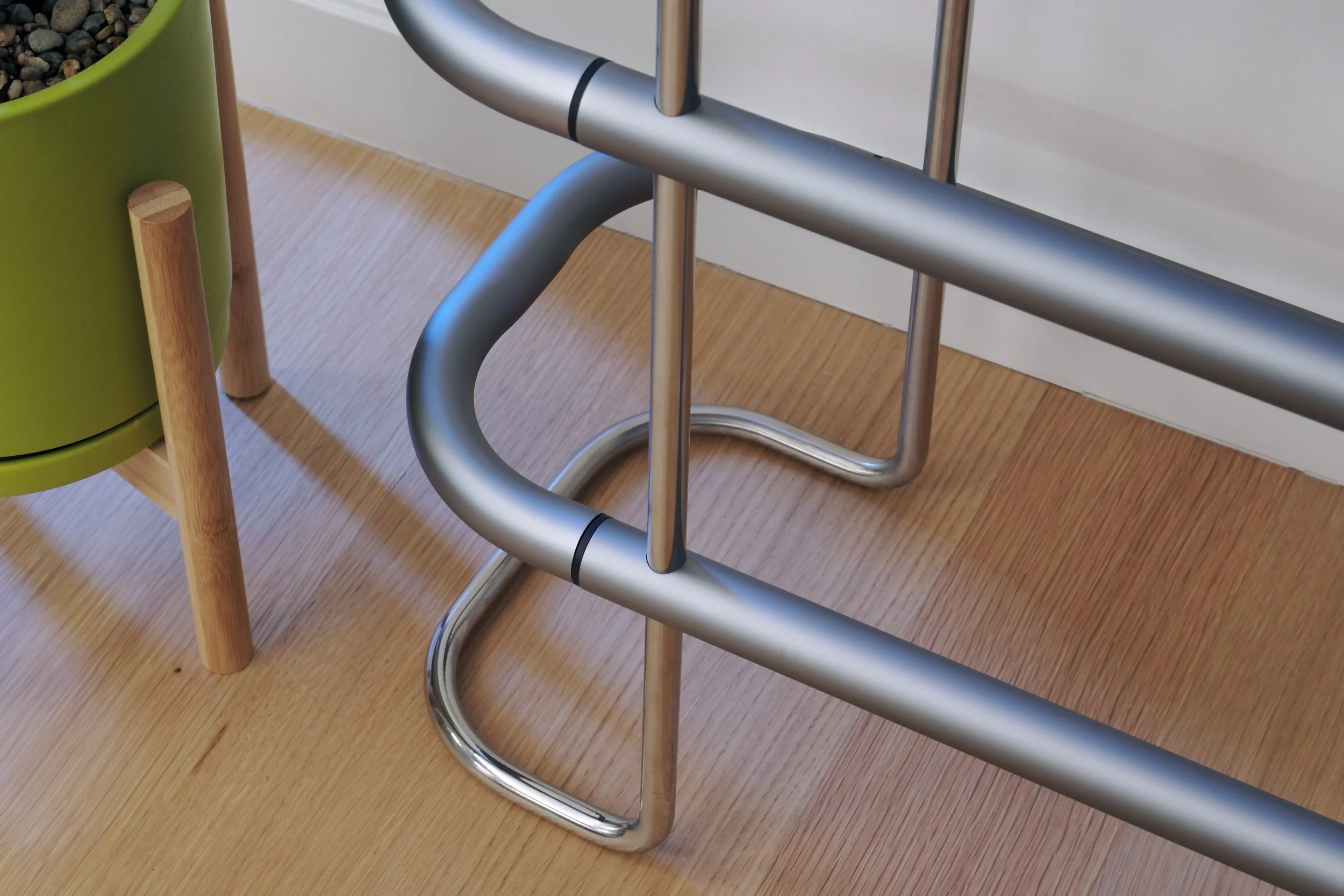
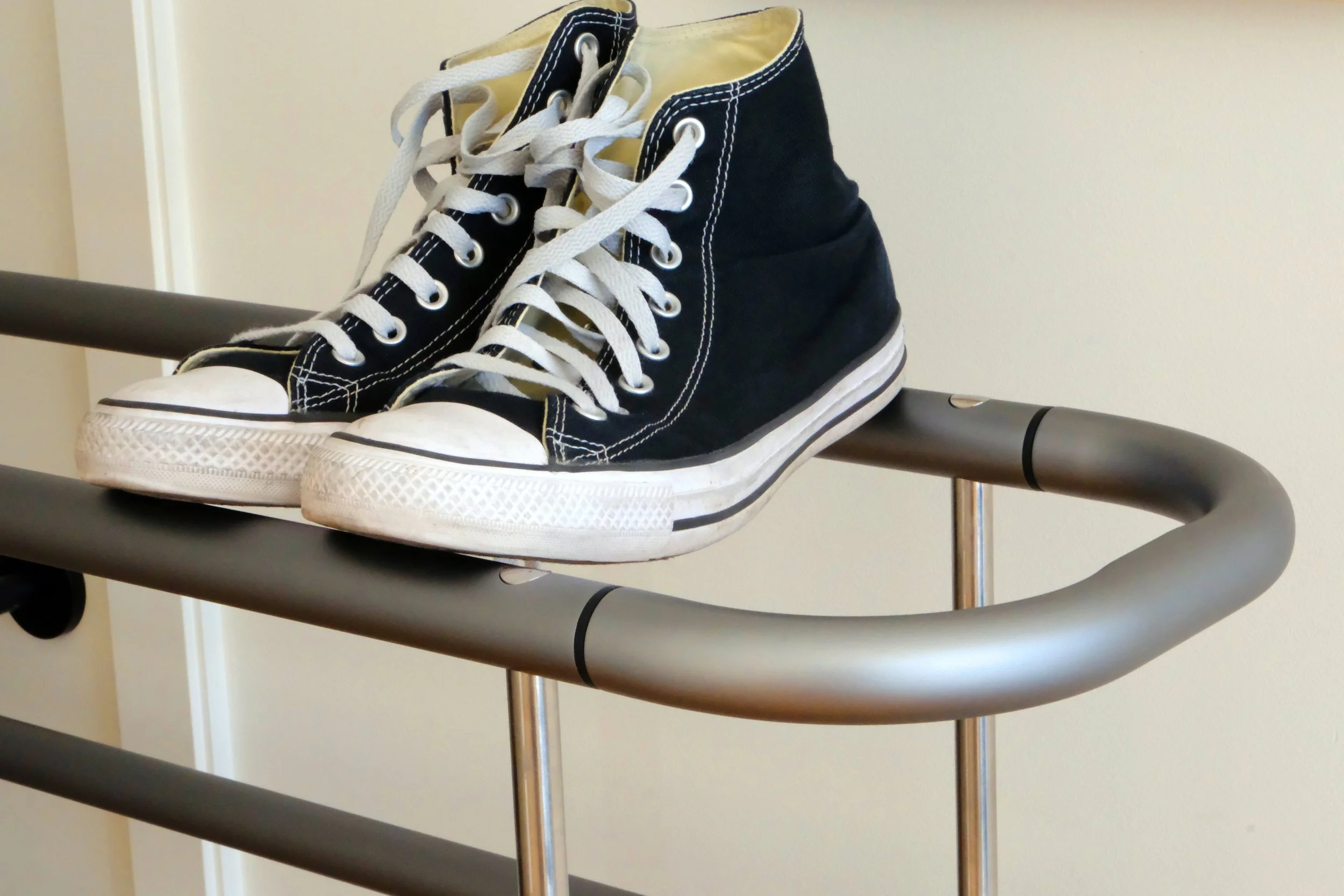
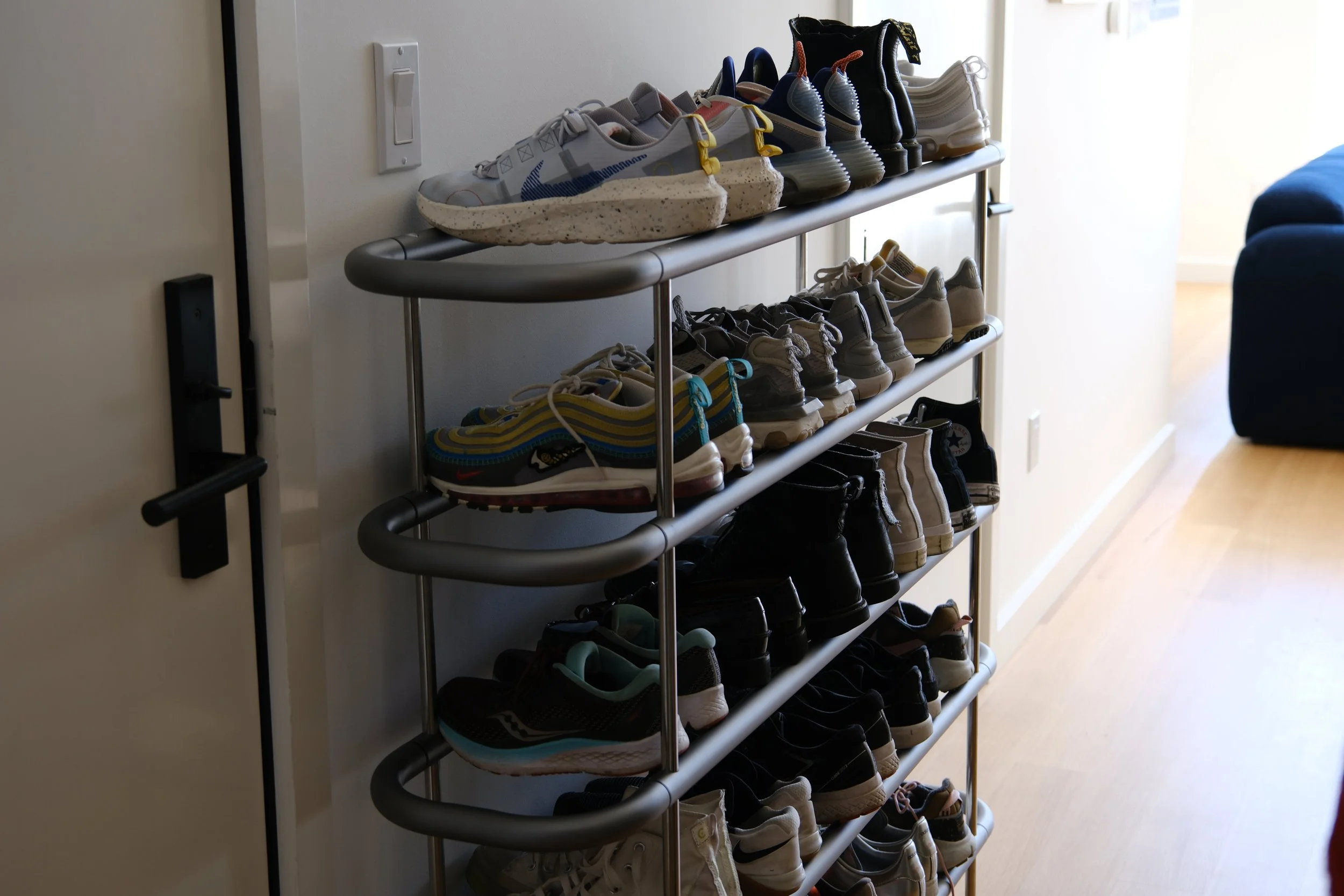
We approached this project with a clear idea- how might we turn an unloved piece of furniture into something beautiful? Utilizing our connections with overseas manufacturing, we developed a design that uses no screws or glue, but is still stable and elegant.
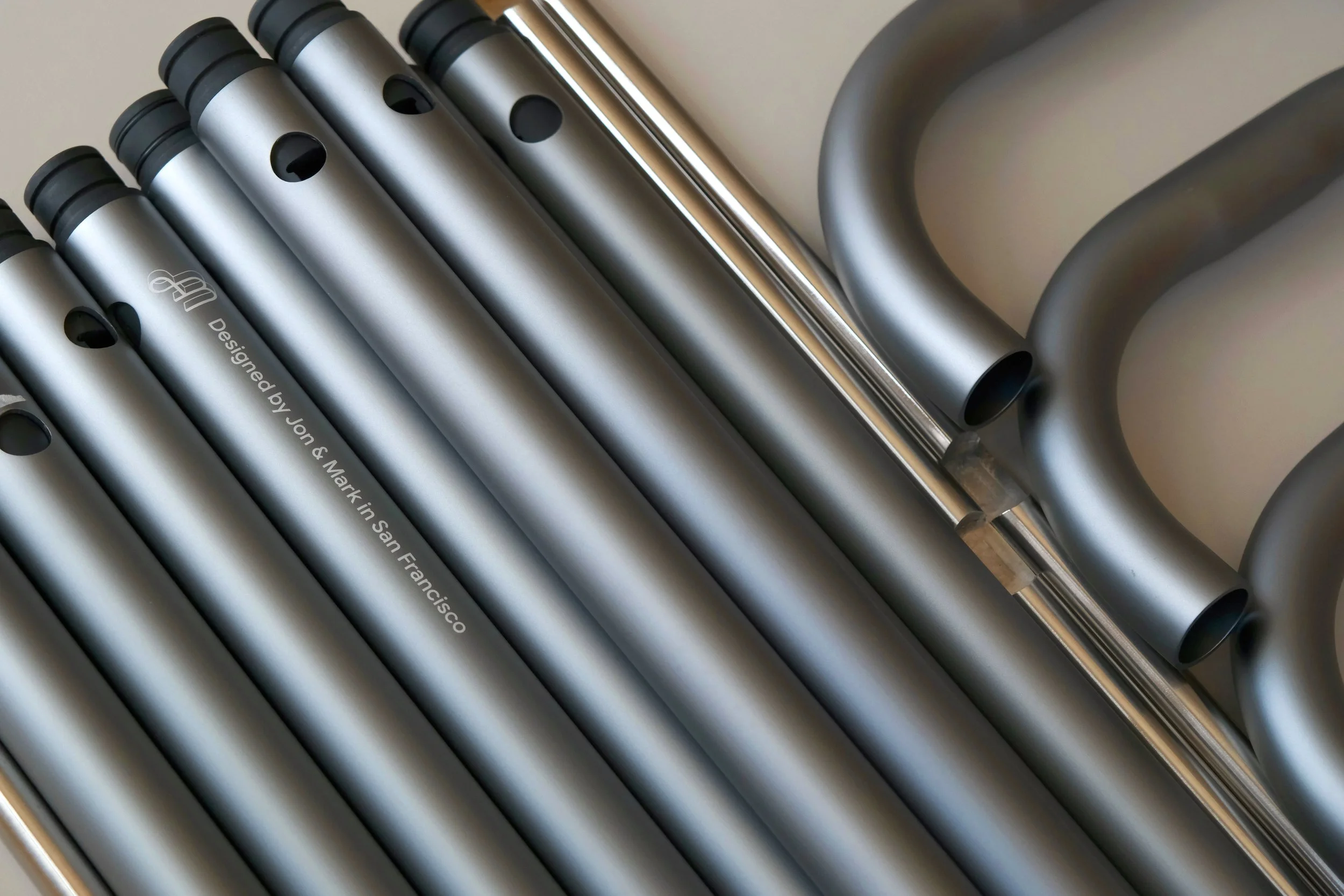
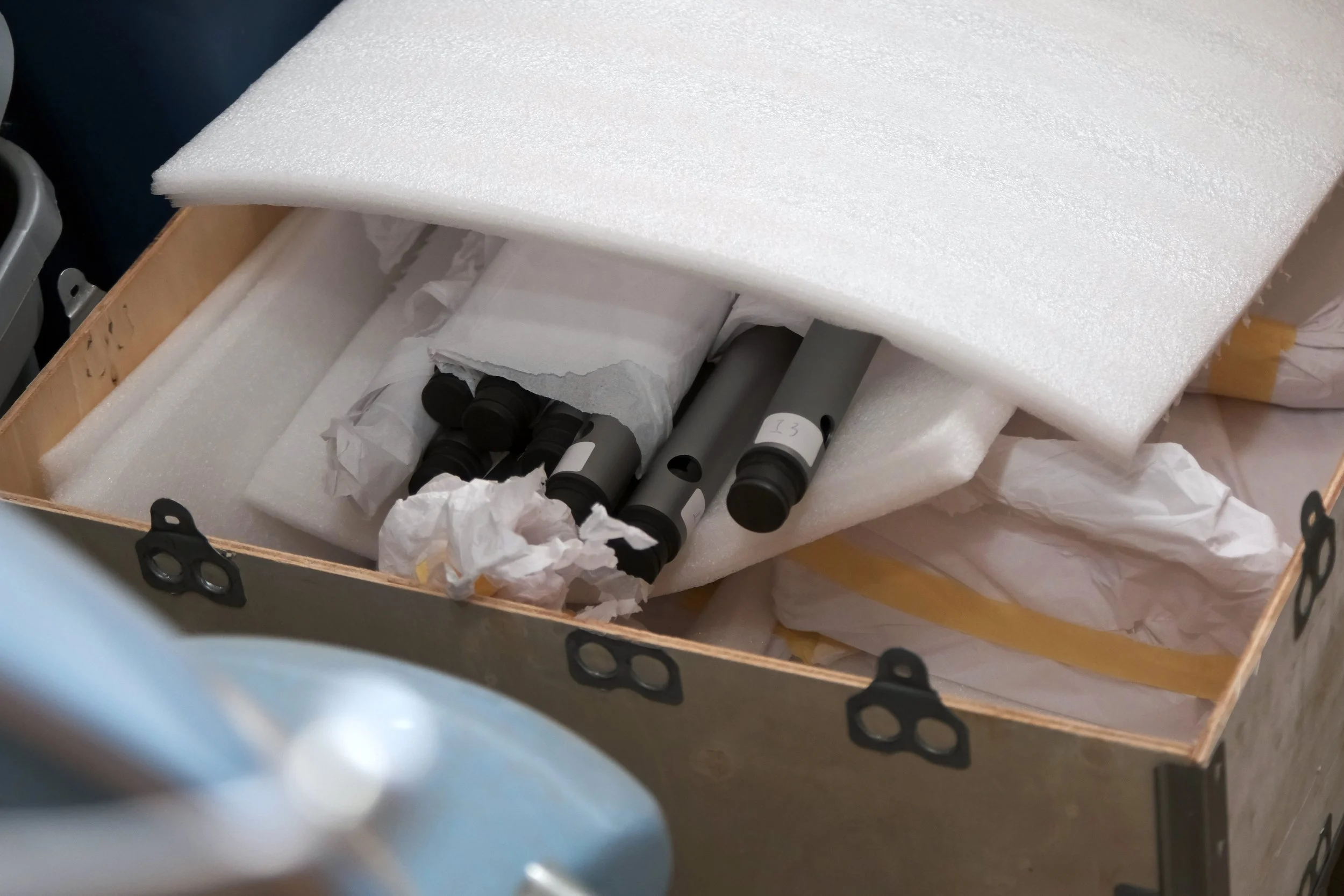
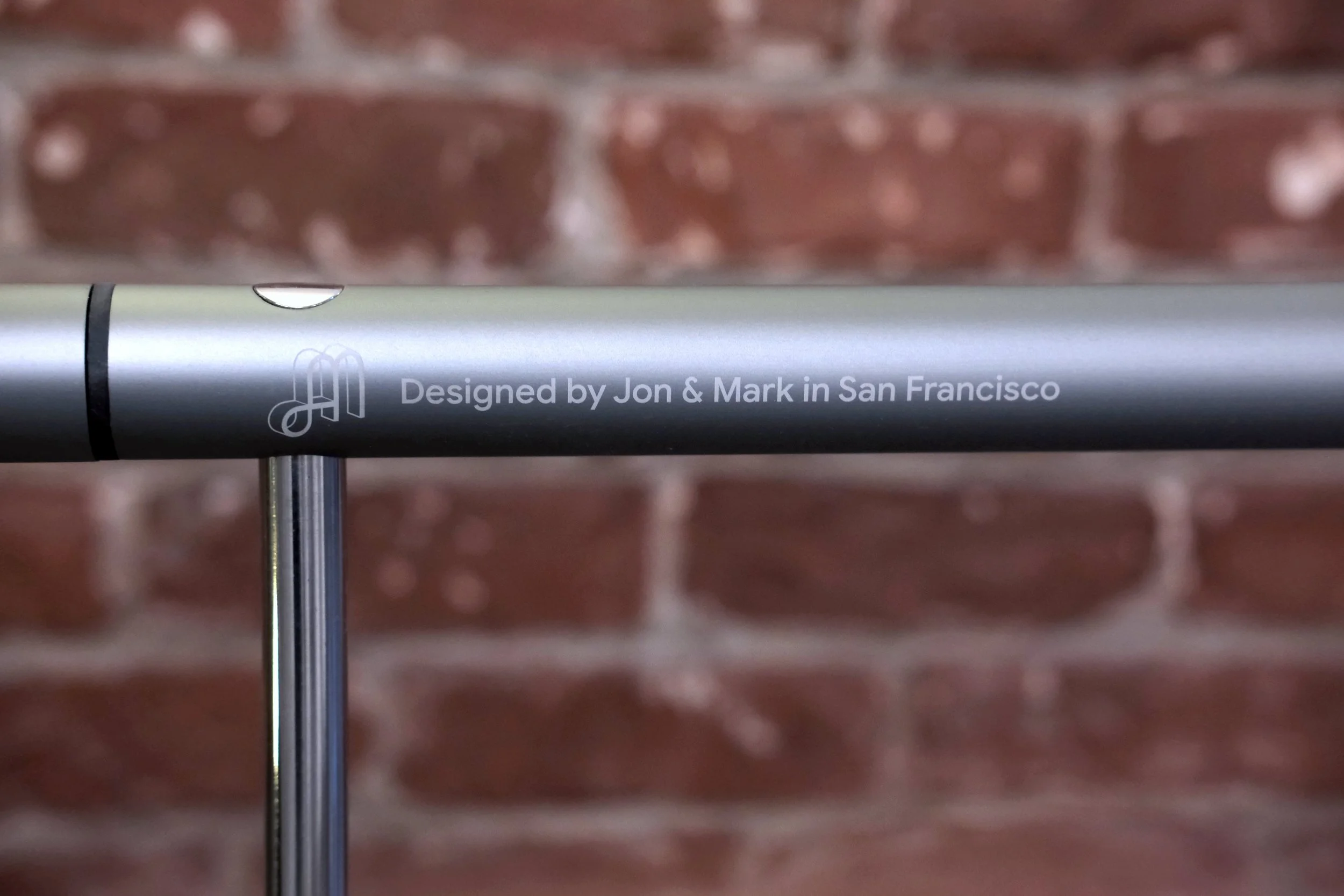
The design is meant to look like it it is levitating- thick, anodized aluminum poles intersect with a polished steel frame that terminates cleanly at the top of the rack. Achieving this took months of prototyping and refinement, with a clever locking system held taut with a bungee cord in each shelf.